
Jonah 2:1-2 “Then Jonah prayed to the Lord his God from the fish’s belly.
And he said:“I cried out to the Lord because of my affliction,
And He answered me.
“Out of the belly of Sheol I cried,
And You heard my voice.

What can be said about Jonah that has not already been learned?
I remember as a child in Sunday School listening to the teacher illustrate the story of Jonah on a flannel graph. The amazing way that God redirected a wayward prophet back into His intended purpose was stuff of legend.
As a child, it’s easy to hear the story of a great fish swallowing Jonah and imagining it like the story of Pinocchio. Jonah was relegated to a Disney film that depicted Geppetto, the poor woodworker who had created the wooden puppet had fallen into dire straits and was then swallowed by a whale while looking for his lost creation.
Walt Disney found a way to cadre to a generation that had head the stories and then interjected his own ideas into the mix thus forming a film that became beloved for generations.
But the story of Jonah was not some cartoon to be laughed at, it was a real story of God’s call, man’s disobedience, and ultimately people’s repentance with God’s mercy.
The Command
Jonah 1:1,2 “Now the word of the Lord came to Jonah the son of Amittai, saying, “Arise, go to Nineveh, that great city, and cry out against it; for their wickedness has come up before Me.”
In exploring the word ‘Arise’, the command in Hebrew is for Jonah to simply, “Get up, get going!”
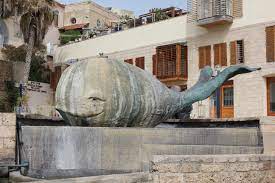
It seems half the battle of obedience to God’s command is the first step. People can make all kinds of excuses for why it’s not a good time to go, they might ask for a couple more signs as Gideon did with the fleece, or they may just be fearful at the prospect of what God is placing before them.
The test of faith begins with following God into the unknown.
*The second command God gave was to go.
The term ‘go’ comes from the root word halak which gives the idea of nurturing, loving and caring. It literally means the way to walk or the way to behave. Often associated with how to live by God’s laws, the idea of going forth in righteousness (obedience to God’s commands) cannot be understated here.
It’s important to remember, when God calls His people to ‘go’, God has already gone before them. Just as Jesus encouraged His disciples to walk in righteousness, He first walked the talk and showed the way. Wherever God calls His people, the call is to follow Him into the journey. Believers don’t pave new road, they follow an established path that God has provided.
John 13:36 “Simon Peter said to him, “Lord, where are you going?” Jesus answered him, “Where I am going you cannot follow me now, but you will follow afterward.”
Today, those who have the Spirit of Christ given at Salvation can now follow Him and not fear. Peter showed his weakness at Jesus’ trial and yet after the Spirit of God was given at Pentecost, the strength and power of God lead them into a ministry they could not do on their own.
The Message
The command God gave Jonah was to preach against the wickedness of Nineveh. Jonah’s rebellion against God’s command is a story for the ages. The fish that swallowed Jonah was not a whale as Disney portrayed, whales don’t dwell on the bottom of the sea.
Jonah possessed all that God required of him and yet Jonah’s rebellion revealed more than disobedience, it showed a deep seeded hatred for the Nineties. The Ninevites were a people Jonah despised, they were wicked and had practiced many forms of idolatry and clearly Jonah wanted them to pay.
After God’s command to go, the revelation of Jonah’s wicked heart became pronounced. the Bible says that he went ‘down to Joppa’ so that he might flee to Tarshish, a pathway that lead completely opposite of the way he was to go. After he boarded the ship, he went down into the hull to sleep. Then, when God formed the storm, and the ship found itself in despair, the sailors tossed Jonah into the waters, where the fish finished his wayward descent.
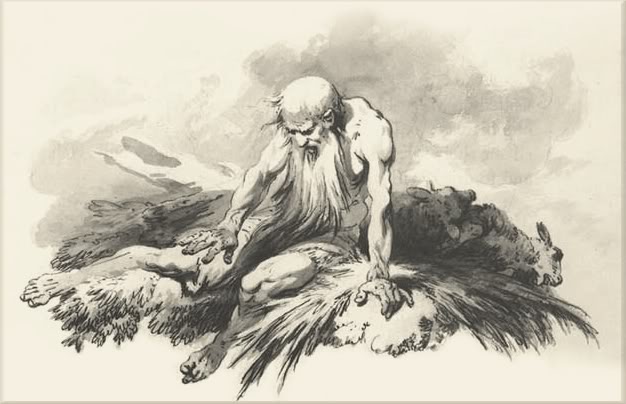
Rebellion against God leads only down, and for those who continue in rebellion the final destination becomes the farthest depth that despair leads; for the rebellious…their path leads into Hell.
Job 17:15,16 “Where then is my hope?
As for my hope, who can see it?
Will they go down to the gates of Sheol?
Shall we have rest together in the dust?”
After Jonah’s prayer of repentance in Jonah 2, God commanded the fish to vomit him onto the shore. Once Jonah had regained his life, the message was repeated.
Jonah 3:1,2 “Now the word of the Lord came to Jonah the second time, saying, “Arise, go to Nineveh, that great city, and preach to it the message that I tell you.””
When the second command was issued, Jonah was ready to obey.
The Result of the Message
When God speaks, He speaks a specific Word.
Today, God still speaks through His Word. Believers would do well to recognize the power of God’s Word and the impact it has to those who walk in darkness. The Word of God is powerful, it cuts through the haze of indifference and penetrates into the heart of man. Any deviation from God’s Word is a lie…when God speaks, it is all that people need to know.
Have you ever attempted to relate God’s Word without staying true to the message? False representation of the gospel leaves the door open to other interpretations, it gives way to false understanding, and leaves its listeners without the commands they were intended to hear.
Jonah 3:5-6 “So the people of Nineveh believed God, proclaimed a fast, and put on sackcloth, from the greatest to the least of them. Then word came to the king of Nineveh; and he arose from his throne and laid aside his robe, covered himself with sackcloth and sat in ashes.”
True Repentance
Notice the effects of the message, the people first began to turn in repentance then the King also turned. The reminder is that no matter how evil a country or ruler may be, God can changes hearts.
Change starts with God’s command and progresses into obedience.
Sackcloth and ashes was very symbolic in nature. When sackcloth was worn, which was worn as a token of mourning by the Israelites, it was a sign of submission (1 Kings 20:31–32), or of grief and self-humiliation (2 Kings 19:1), and was occasionally worn by the Prophets.
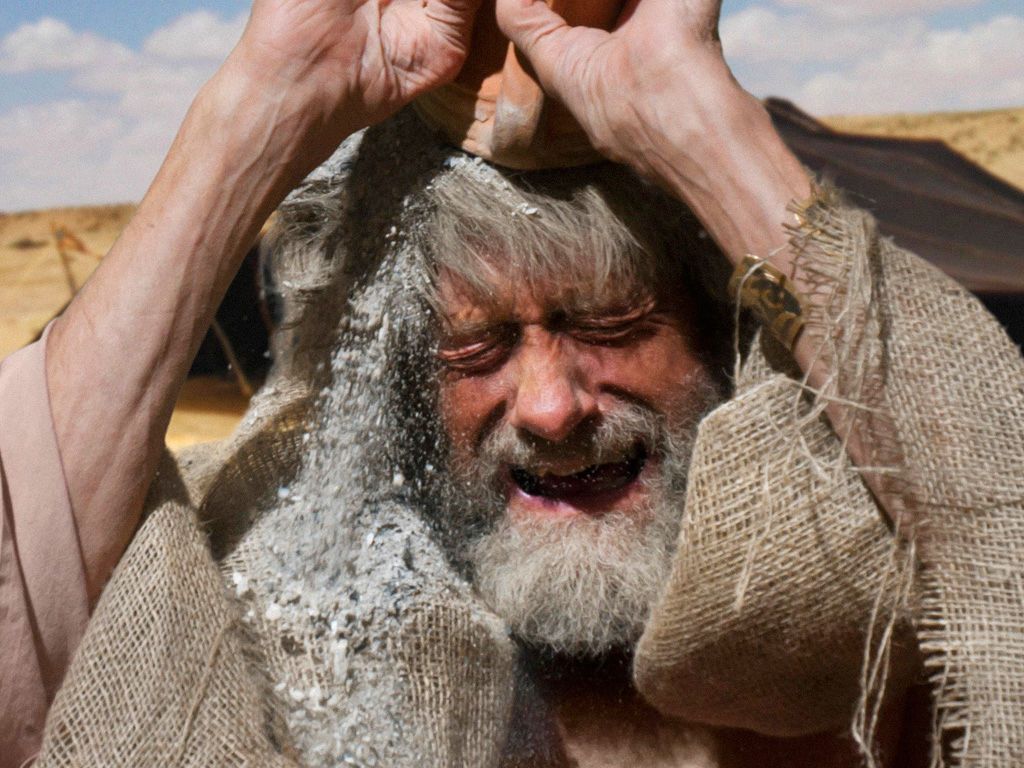
When someone sat in ashes it was often a reminder of devastation, terror and sorrow. … It was a symbol of sorrow for sins.
What was the result of the Ninevites humble submission and repentance?
Jonah 3:10 “Then God saw their works, that they turned from their evil way; and God relented from the disaster that He had said He would bring upon them, and He did not do it.”
God desires to show compassion, it is in His nature. For all who heed His call, the offer of mercy and grace is extended.
How will they know if believers don’t tell them, how can they hear if they don’t go?
God’s Sovereignty vs. Man’s Agenda
As the story progresses we begin to see the reason why Jonah fled as he did.
Jonah 4:1-2 “But it displeased Jonah exceedingly, and he became angry. So he prayed to the Lord, and said, “Ah, Lord, was not this what I said when I was still in my country? Therefore I fled previously to Tarshish; for I know that You are a gracious and merciful God, slow to anger and abundant in lovingkindness, One who relents from doing harm”
Jonah did not want God to spare the people of Nineveh. The bitterness of Jonah was such that he despaired even to his own life. Jonah thought his life wasn’t worth living because God showed mercy.
Did Jonah think God was being unjust?
Jonah 4:4 “Then the Lord said, “Is it right for you to be angry?”
God then followed the question with an object lesson.
Jonah 4:6-8 “And the Lord God prepared a plant and made it come up over Jonah, that it might be shade for his head to deliver him from his misery. So Jonah was very grateful for the plant. But as morning dawned the next day God prepared a worm, and it so damaged the plant that it withered. And it happened, when the sun arose, that God prepared a vehement east wind; and the sun beat on Jonah’s head, so that he grew faint. Then he wished death for himself, and said, “It is better for me to die than to live.”
God’s compassion that was shown to the Ninevite’s was the same compassion he was trying to teach Jonah.
Jonah 4:9 “Then God said to Jonah, “Is it right for you to be angry about the plant?”
Jonah’s response was as before “it’s right for me to be angry, even to death”.
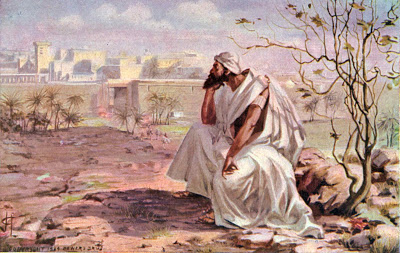
Jonah 4:10-11 “But the Lord said, “You have had pity on the plant for which you have not labored, nor made it grow, which came up in a night and perished in a night. And should I not pity Nineveh, that great city, in which are more than one hundred and twenty thousand persons who cannot discern between their right hand and their left—and much livestock?
God’s plan was never for mankind’s destruction. He desires compassion, mercy, and grace.
Our Call
As Jonah was called to take God’s message to the Ninevite’s, believers today are called to carry God’s message to the world.
The gospel reveals God’s purpose for mankind at Creation, it reveals man’s fall into sin, and Jesus Christ’s redemption at the cross of Calvary.
To those who accept and believe the call, the restoration is made and a glorious reunion in Heaven awaits those who follow.
Mark 16:15 “And He said to them, “Go into all the world and preach the gospel to every creature.”
The call of administering the gospel is given to all who believe.
How will you respond when the opportunity presents itself? Do you have a bias against those to whom God has called you? Do you find it difficult to have compassion on a people that have not earned the right to God’s mercy?
Nobody can earn God’s mercy, including the mercy that we have received.
God’s call will continue to pursue you, even if you initially reject Him. His love and compassion is such that He cares as much for the servant as He does for those to whom the servant has been sent.
When you hear God’s voice…don’t delay. Just go and see His Salvation.

 U.T.
U.T. 